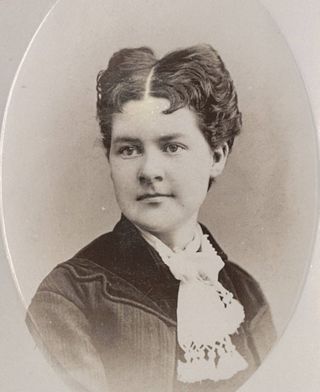
From collection Candidates
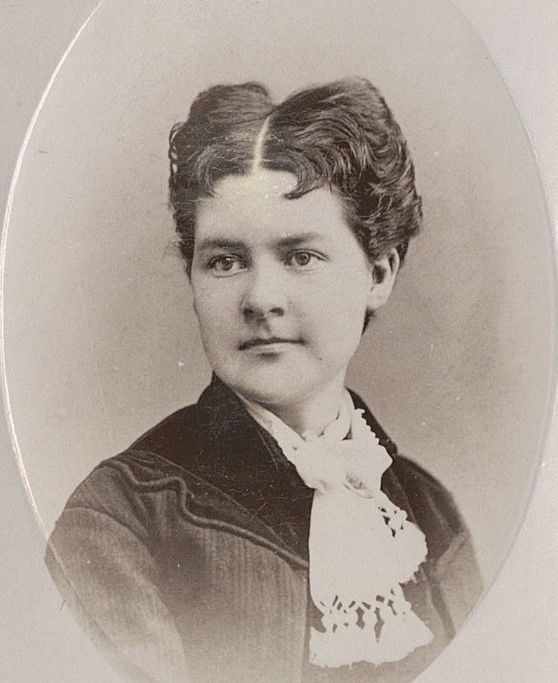
In 1896 Martha Hughes Cannon of Utah became the first woman in the United States elected to a state senate seat. She was a physician, married with two children. She campaigned as one of five candidates
who ran at large on the Democratic Party ticket. Her victory attracted media attention nationwide both because she was a woman and because the Democratic slate had defeated the Republican Party slate that included her husband, Angus M. Cannon, a leader in the Utah Mornon community, and her friend, noted newspaper editor, Emmeline Wells. Cannon was thirty nine when she joined the second legislative session of the new state of Utah convened on January 11, 1897. While in the senate Dr. Cannon hoped to imake a major contribution ito public health policy. Her biographer, Constance L. Lieber, notes that Cannon successfully sponsored three bills: An Act Providing for the Compulsory Education of Deaf, Dumb, and Blind Children (S.B. 22); An Act Creating a State Board of Health and Defining Its Duties (S.B. 27); and An Act to Protect the Health of Women and Girl Employees (S.B. 31). Another of Cannon's legislative proposals, a bill that would require teaching the dangers of alcohol and narcotics in public schools, passed in the senate but was defeated in the house. Lieber cites a letter written by Wells that indicates she aided Cannon in researching information the senator needed to write and lobby her legislation. Cannon won appointment to a number of committees including Appropriations, Public Institutions, Railroads, Ways and Means, and Judiciary. She was chair of the Public Health committee. Cannon became pregnant with her third child, Gwendolyn, toward the end of her term and did not, again, run for office. She did, however, remain active in party politics speaking at rallies on behalf of Democratic candidates and serving as a convention delegate.
Cannon was born in Llandudno, Wales, July 1, 1857. Her working class parents were converted to the Church of Jesus Christ of Latter-day Saints while living in Wales. They brought Martha and her sisters to the United States in 1860 on a boat that sailed from Liverpool. The hardships of wagon travel to Utah took the lives of Cannon's baby sister and father. Her mother settled the family in Salt Lake City where Martha remained until 1878 when she went east to attend medical school at the University of Michigan. After graduation, she further matriculated at the University of Pennsylvania Medical School. While in Philadelphia she also took classes in oratory, wishing also to become a public speaker. Late in 1882 Cannon returned to Utah and began to practice medicine at the new Deseret Hospital. Two years later she entered into a polygamous marriage with Angus Munn Cannon. A subpoena, served by a federal marshal, to appear before a grand jury and answer questions about her husband and other polygamous families caused Martha Cannon to go into exile in England for two years with her first child,. She practiced medicine upon her return and spoke on matters of public health. She was also active in the woman suffrage movement. Dr. Cannon gave a well-received talk at the 1893 Columbian (World's) Exposition in Chicago and spoke adamently about the right of women in the new state of Utah (again) to have the right to vote. With other women in 1895 she successfully lobbied the men of the Utah Constitutional Convention to write female suffrage into the new state constitution, which was then approved by male voters.
Cannon died in California on July 10, 1932.
who ran at large on the Democratic Party ticket. Her victory attracted media attention nationwide both because she was a woman and because the Democratic slate had defeated the Republican Party slate that included her husband, Angus M. Cannon, a leader in the Utah Mornon community, and her friend, noted newspaper editor, Emmeline Wells. Cannon was thirty nine when she joined the second legislative session of the new state of Utah convened on January 11, 1897. While in the senate Dr. Cannon hoped to imake a major contribution ito public health policy. Her biographer, Constance L. Lieber, notes that Cannon successfully sponsored three bills: An Act Providing for the Compulsory Education of Deaf, Dumb, and Blind Children (S.B. 22); An Act Creating a State Board of Health and Defining Its Duties (S.B. 27); and An Act to Protect the Health of Women and Girl Employees (S.B. 31). Another of Cannon's legislative proposals, a bill that would require teaching the dangers of alcohol and narcotics in public schools, passed in the senate but was defeated in the house. Lieber cites a letter written by Wells that indicates she aided Cannon in researching information the senator needed to write and lobby her legislation. Cannon won appointment to a number of committees including Appropriations, Public Institutions, Railroads, Ways and Means, and Judiciary. She was chair of the Public Health committee. Cannon became pregnant with her third child, Gwendolyn, toward the end of her term and did not, again, run for office. She did, however, remain active in party politics speaking at rallies on behalf of Democratic candidates and serving as a convention delegate.
Cannon was born in Llandudno, Wales, July 1, 1857. Her working class parents were converted to the Church of Jesus Christ of Latter-day Saints while living in Wales. They brought Martha and her sisters to the United States in 1860 on a boat that sailed from Liverpool. The hardships of wagon travel to Utah took the lives of Cannon's baby sister and father. Her mother settled the family in Salt Lake City where Martha remained until 1878 when she went east to attend medical school at the University of Michigan. After graduation, she further matriculated at the University of Pennsylvania Medical School. While in Philadelphia she also took classes in oratory, wishing also to become a public speaker. Late in 1882 Cannon returned to Utah and began to practice medicine at the new Deseret Hospital. Two years later she entered into a polygamous marriage with Angus Munn Cannon. A subpoena, served by a federal marshal, to appear before a grand jury and answer questions about her husband and other polygamous families caused Martha Cannon to go into exile in England for two years with her first child,. She practiced medicine upon her return and spoke on matters of public health. She was also active in the woman suffrage movement. Dr. Cannon gave a well-received talk at the 1893 Columbian (World's) Exposition in Chicago and spoke adamently about the right of women in the new state of Utah (again) to have the right to vote. With other women in 1895 she successfully lobbied the men of the Utah Constitutional Convention to write female suffrage into the new state constitution, which was then approved by male voters.
Cannon died in California on July 10, 1932.