From collection Candidates
In 1888 lawyer Catharine Waugh was nominated by the Winnebago County (Ill.) Prohibition Party for the office of State's Attorney. She campaigned hard, taking a woman friend with her to the political meetings. She felt that it helped the "woman question" to run for office so that men would hear women speak in public. She lost but ran ahead of the ticket. Waugh said being a candidate was fun, but also wrote colleagues in a woman lawyer's correspondence club that it was hard work, with "no pay, little glory, and a second time, people would call one a chronic office seeker." (Drachman, 177). In 1907 and 1909, now married, Catharine Waugh McCulloch ran successfully as the Democratic candidate for Evanston, Illinois justice of the peace. Supporters urged McCulloch to run for the Illinois state senate in 1910, but she declined to do so. Later in McCulloch's life Florence E. Allen, the first woman to serve as a federal appeals judge, said that McCulloch's election as justice of the peace encouraged her successful campaign in 1920 for judge of the Cuyahoga County (Ohio) Court of Commp of approximately 1,300 votes over her male opponent who made gender an issue in his campaign. Women were barred from voting in these elections, so McCulloch was twice elected to office by male voters. Before she received her appointment lawyers tried to block her taking office. They said that "electing a woman to even the smallest judicial office was an unwise precedent." (Catharine Waugh McCulloch, p. 13) They did not succeed. McCulloch's election encouraged women other than Allen to seek judicial positions. (Catharine Waugh McCulloch, 16) In 1916 she was chosen by the State Democratic Convention as one of the presidential electors committed to Woodrow Wilson.
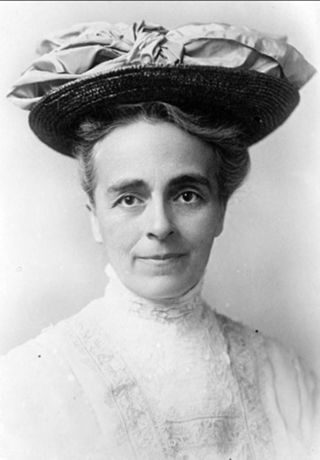
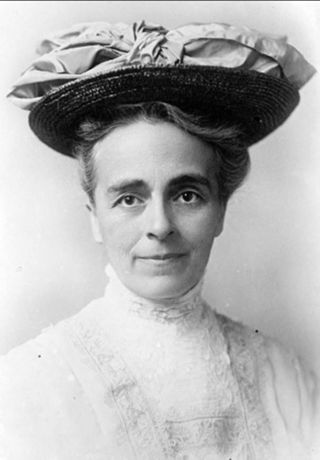
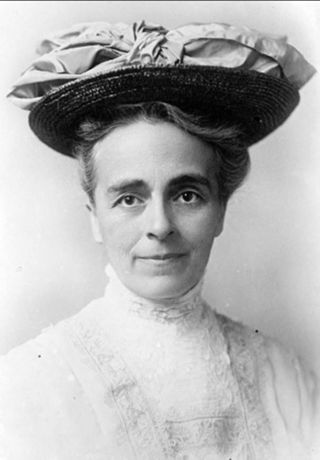
Catharine McCulloch, lawyer, suffrage and temperance activist, and writer, was born in New York State. Her family moved to a farm in Illinois when she was five. She was known as "her father's little lawyer" from a very early age. (Legal Pioneers, 514) She studied at Rockford Seminary and graduated from Union College of Law (now Northwestern) in 1886. In the same year she was admitted to the Illinois bar. She experienced gender discrimination in finding a lawyer's position in Chicago, and returned to practice in Rockford. She married Frank McCulloch in 1890. She practiced with him while engaging in suffrage and other reform work, and raising a family of four children. McCulloch authored several books, lobbied on numerous policy issues including women's equal right to act as guardians for their children and was active in many organizations including the Women's Bar Association of Illinois, the Women's International League for Peace and Freedom, the League of Women Voters, the ACLU, the Free Trade League, the Woman's Christian Temperance Union, and the Woman's Clubs of Chicago and Evanston. In 1894 McCulloch worked on the successful campaign to elect Lucy Louisa Flower as the first woman member of the University of Illinois board of trustees. In 1917 she was appointed master in chancery of the Cook County Superior Court. In this work she helped to eliminate another barrier experienced by women attorneys. In 1917 she also served on a legal team defending women's right to vote in Indiana.
Catharine McCulloch, lawyer, suffrage and temperance activist, and writer, was born in New York State. Her family moved to a farm in Illinois when she was five. She was known as "her father's little lawyer" from a very early age. (Legal Pioneers, 514) She studied at Rockford Seminary and graduated from Union College of Law (now Northwestern) in 1886. In the same year she was admitted to the Illinois bar. She experienced gender discrimination in finding a lawyer's position in Chicago, and returned to practice in Rockford. She married Frank McCulloch in 1890. She practiced with him while engaging in suffrage and other reform work, and raising a family of four children. McCulloch authored several books, lobbied on numerous policy issues including women's equal right to act as guardians for their children and was active in many organizations including the Women's Bar Association of Illinois, the Women's International League for Peace and Freedom, the League of Women Voters, the ACLU, the Free Trade League, the Woman's Christian Temperance Union, and the Woman's Clubs of Chicago and Evanston. In 1894 McCulloch worked on the successful campaign to elect Lucy Louisa Flower as the first woman member of the University of Illinois board of trustees. In 1917 she was appointed master in chancery of the Cook County Superior Court. In this work she helped to eliminate another barrier experienced by women attorneys. In 1917 she also served on a legal team defending women's right to vote in Indiana.